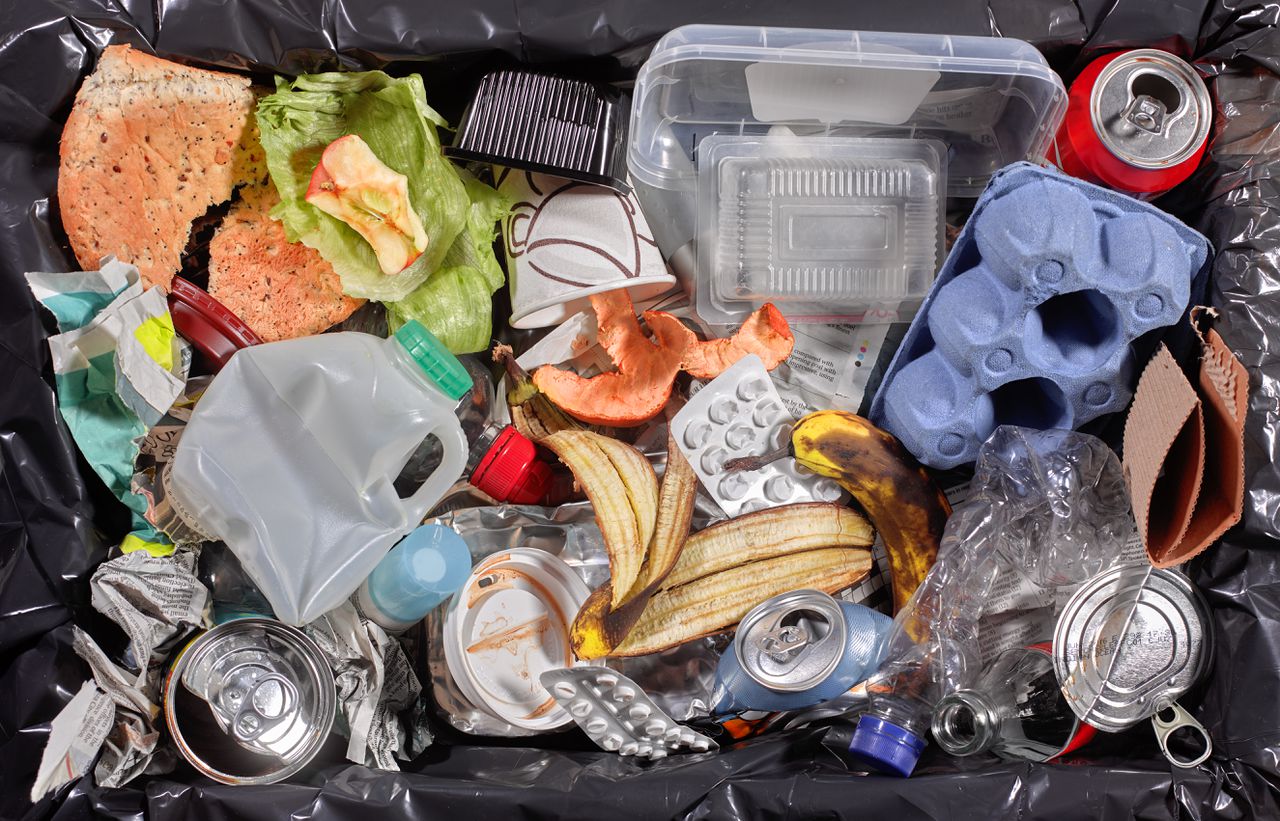
Start by mapping your current waste streams. Identify where waste is generated (offices, canteens, production lines) and what materials are involved (packaging, paper, plastics, food, metals, etc.). Then design an on-site system that encourages correct separation at the source.
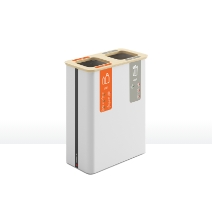
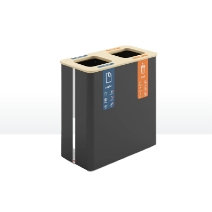
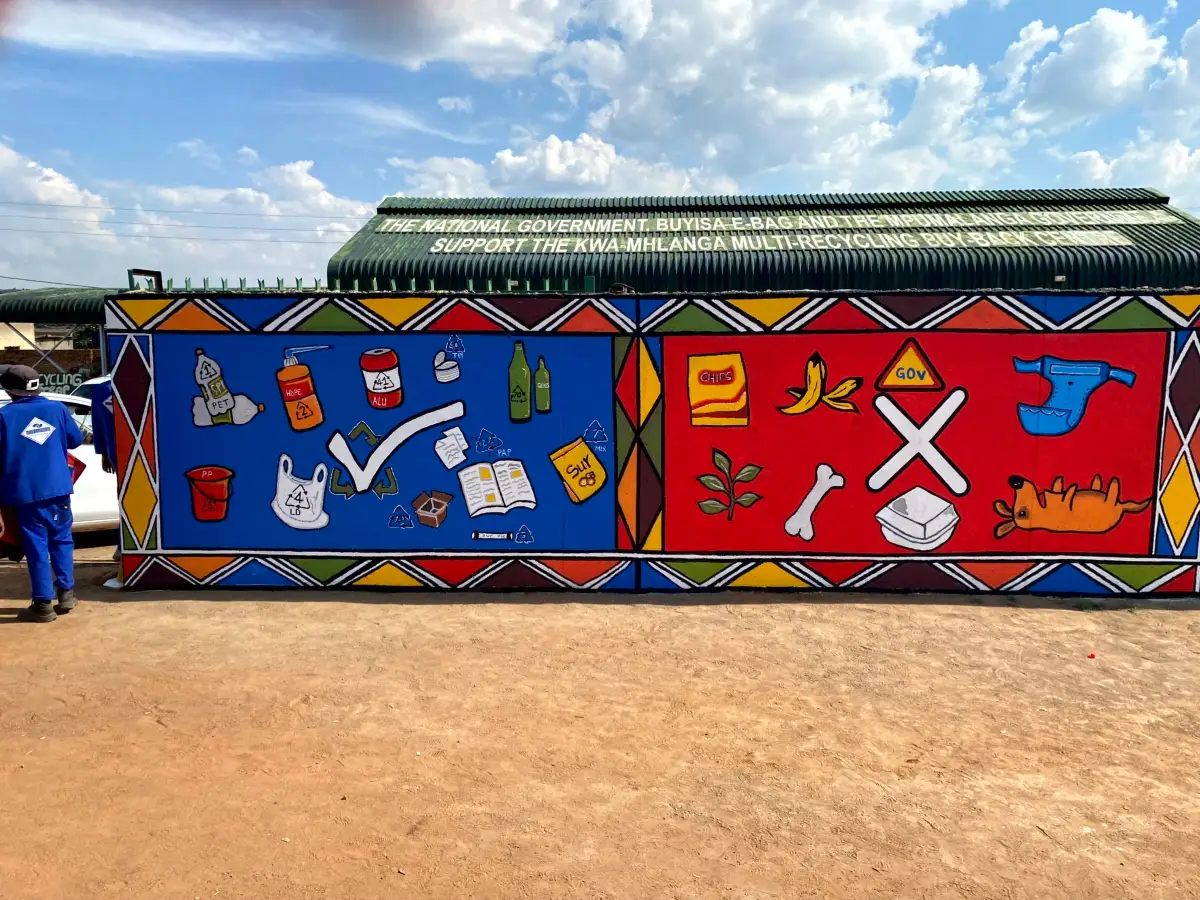
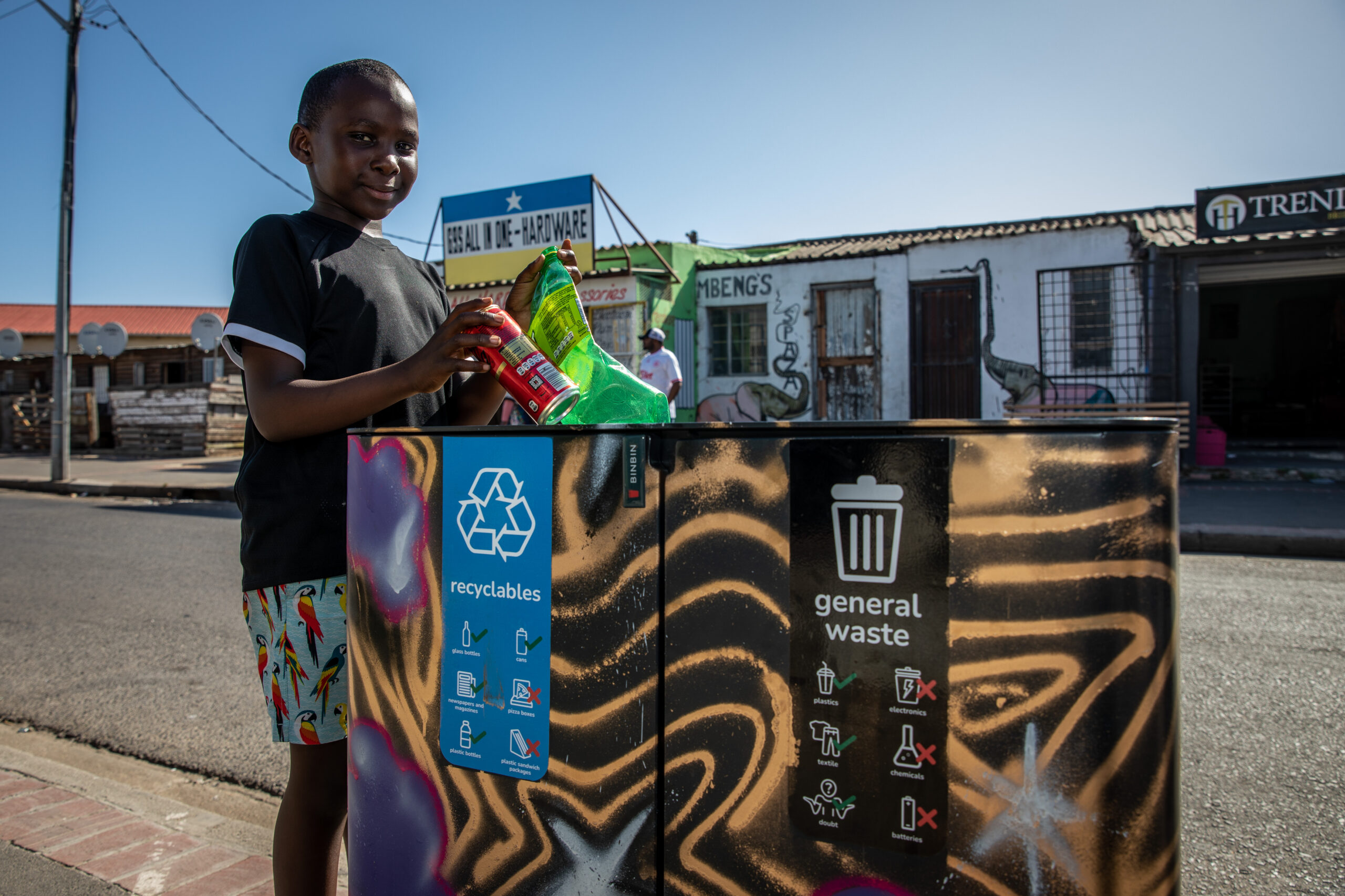
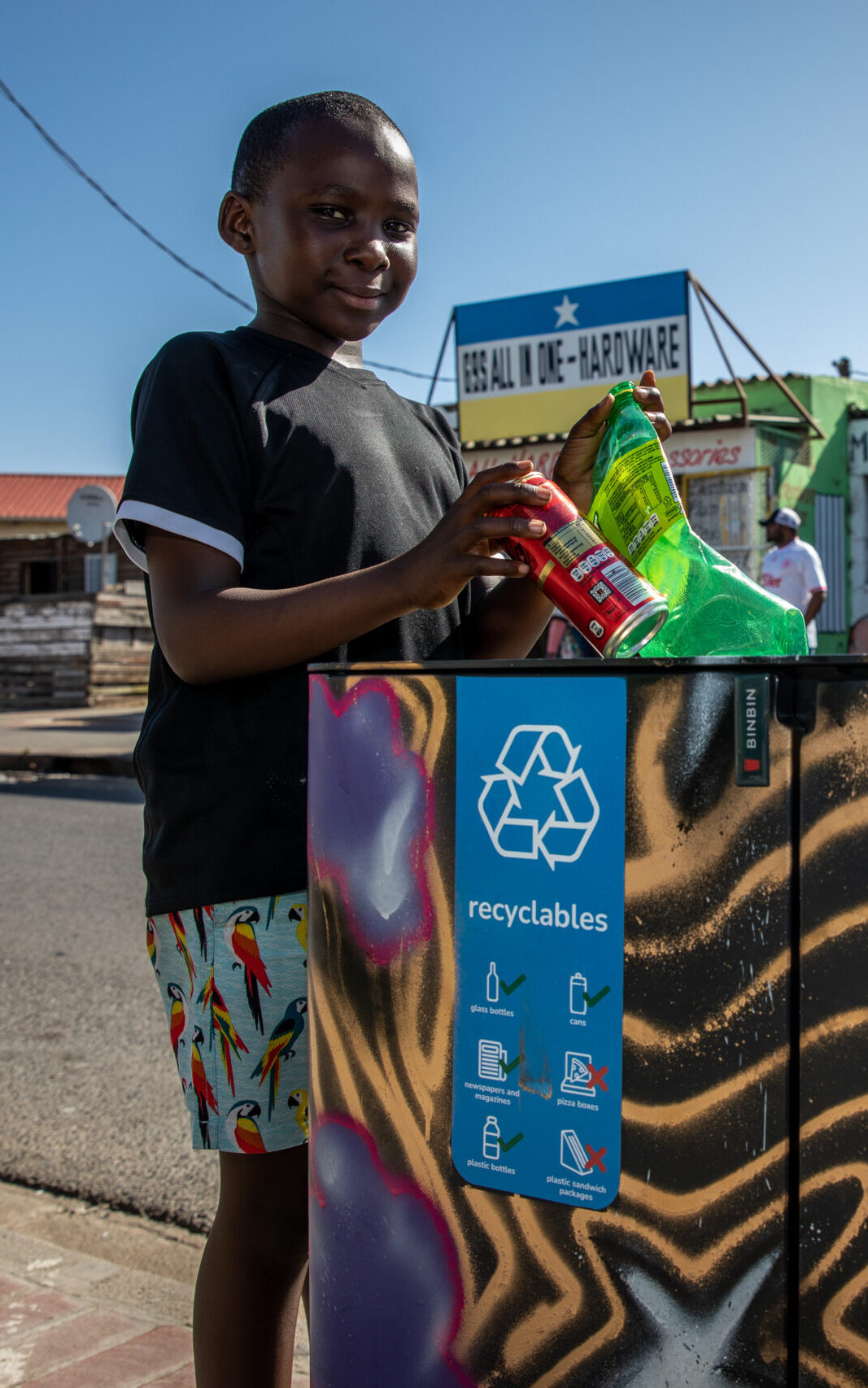
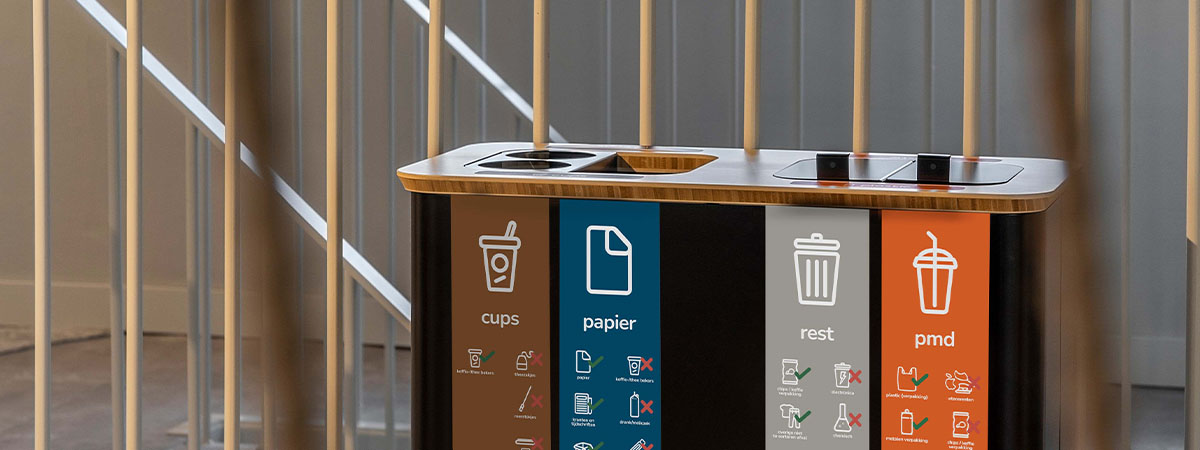
Install colour-coded bins with clear signage in visible, high-traffic areas. For example:
- Green for food and organics
- Blue for paper
- Yellow for plastics and packaging
- Grey or black for residual waste
Employee awareness is essential. Run short, practical training sessions and use posters or stickers to reinforce correct use. Behavioural nudges like positive messaging and gamified targets can significantly increase compliance.
The value of early action
Preparing early pays off. Businesses that implement structured waste separation often see immediate benefits:
- Lower disposal costs and fewer collection fees.
- Higher recycling rates and reduced contamination.
- Better compliance reporting for ESG or sustainability audits.
A logistics firm in Cape Town, for instance, reduced its landfill volumes by 40% within six months simply by reorganising bin placement and training staff.
Compliance checklist for 2026
- Audit all waste streams and identify volumes.
- Register or verify supplier compliance under EPR.
- Set up separation bins and signage.
- Train employees and monitor contamination.
- Update waste-collection contracts to include reporting and verification.