Popular industries
  • Office

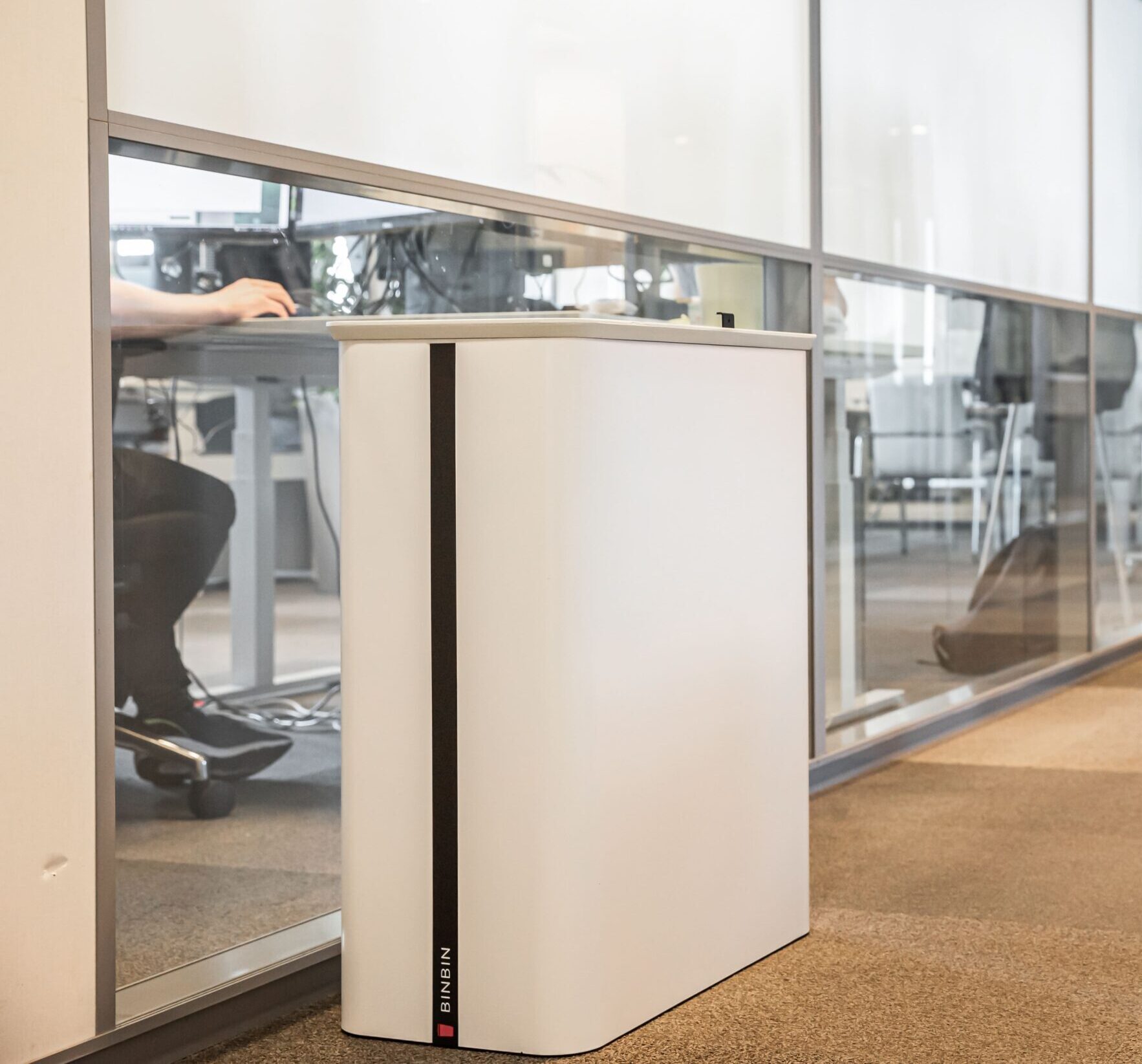
    We help offices separate waste efficiently to save costs, meet legal requirements, and strengthen their sustainability profile. Our modular, customizable bins make recycling clear and engaging for employees while fitting into any workspace. With the right setup, businesses can reduce waste, improve their green image, and work toward a circular future
  • Education

    At BINBIN, we help schools and universities make waste separation simple and engaging for students and staff. Our durable, modular bins with clear signings and customizable designs encourage correct recycling in classrooms, cafeterias and hallways. By combining the right products with strategic placement and awareness initiatives, we support education facilities in building long-term sustainable habits.
Popular products
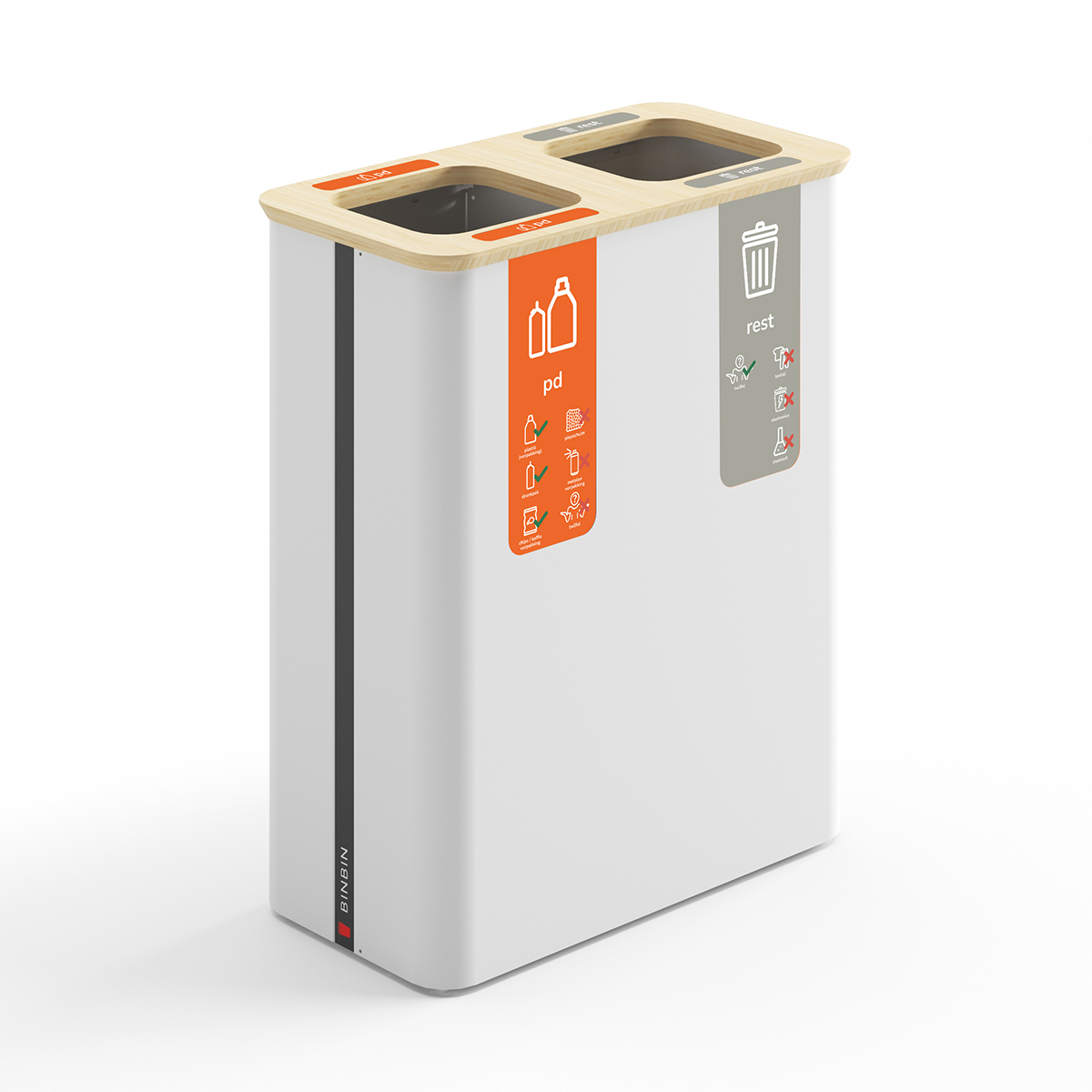
  • Globular 60×2

    Split from 2 to 3 or 4 compartments
  • Generation Outdoor (2x90L)

    Split from 2 to 3 or 4 compartments

Sort it out! - Tips

8 tips on the road to zero waste

8 Tips on the road to zero waste

Tips 1 till 4

Tip 1: Critically assess what products your company purchases
When buying products, ensure you’re not buying waste. Products should be easily recyclable to keep the zero-waste cycle going. An important aspect of this is that they’re made from a single material. For example, products made from mixed plastics are very difficult to recycle. So, ensure you buy products that are easy to recycle. Also, consider whether you truly need certain products. Does every desk need a waste bin, or could one modular bin per hallway suffice? Can processes be optimized to use fewer materials? Could you, for instance, encourage the reuse of packaging materials?


Tip 2: Avoid disposable products
Disposable products significantly contribute to waste. Instead, choose reusable alternatives, such as water bottles, lunch boxes, and coffee cups. This not only reduces waste but also saves costs in the long run.
Store opened food items in reusable containers instead of wrapping them in foil. This applies to your own lunch, but also to the company canteen. Glass containers are preferable since they don’t retain food stains, making them last longer and easier to clean.
Choose for reusable mugs and tableware, instead of single-use cups and containers containing plastic. These can be easily cleaned and reused, significantly reducing waste. Consider purchasing company mugs with your logo, which can also serve as branding and enhance your sustainable image!


Tip 3: Buy second-hand
You don’t have to buy everything new. At BINBIN, we now have the Outlet Store, where you can purchase almost-new waste bins. By opting for second-hand, or the trendier term “refurbished,” you give materials a second life and save on new resources. More and more businesses are offering refurbished products like computers, furniture, and waste bins.


Tip 4: Buy in bulk
You always need things like tea bags, pens, tape, or coffee capsules, and often in large quantities. Buying in bulk saves a lot of packaging material. Plus, it’s usually cheaper.


Zero-waste business

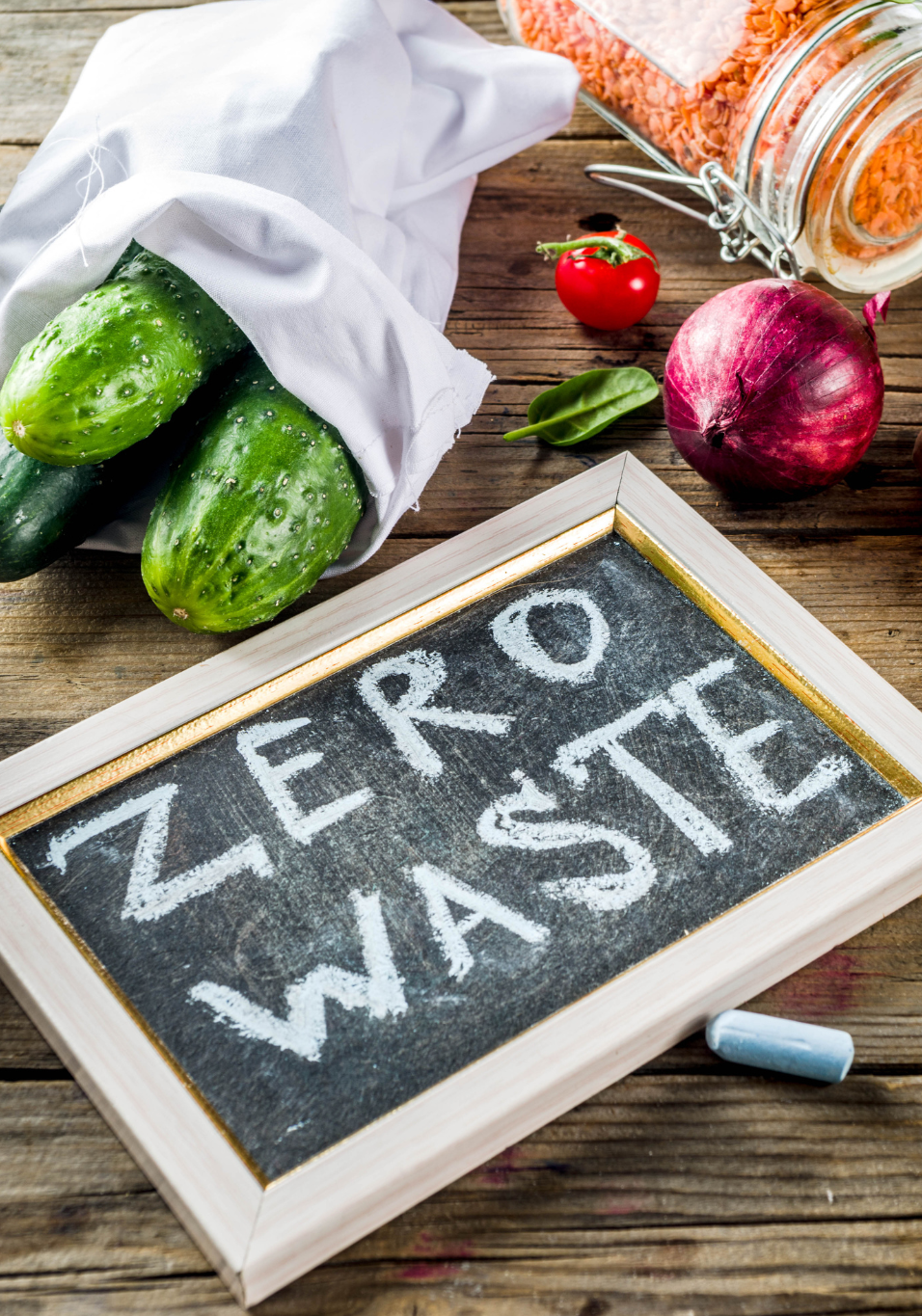
No self-respecting company can ignore sustainability today. It’s a hot topic, and a key aspect of sustainability is responsible waste management. The ultimate goal of responsible waste management is, of course, to have no waste at all. But how do you achieve a zero-waste business model? We’re sharing 8 practical tips to help you on your way to zero waste.

8 Tips on the road to zero waste

Tips 5 till 8

Tip 5: Don’t buy too much food
Food waste is a significant issue, even in the workplace. Ensure there’s a well-managed inventory system and encourage colleagues to be mindful when ordering food. Offer smaller portion sizes, or consider partnering with local food banks to donate any leftovers.


Tip 6: Compost organic waste
Do you have a lot of food waste in your canteen? You can compost this waste and use it to nourish the office garden or plants. Plants have numerous benefits, including improving air quality, boosting productivity, and enhancing employee well-being.


Tip 7: Avoid printing paper
Try to work as digitally as possible within the company. Only print something if it’s absolutely necessary. There are various programs available where you can collaborate with colleagues (Teams, Dropbox, SharePoint, etc.) or invest in a whiteboard. Going digital not only saves paper but also reduces the costs and hassle associated with printing and document storage.


Tip 8: Try sharing and borrowing
Chances are, someone around you already has the product you need. Set up a system within the company where colleagues can lend or swap items instead of buying new ones. This promotes collaboration and sustainability within the organization.

In conclusion

By thinking logically, you can save a lot of waste. Which tips will you implement right away?