Popular industries
  • Office

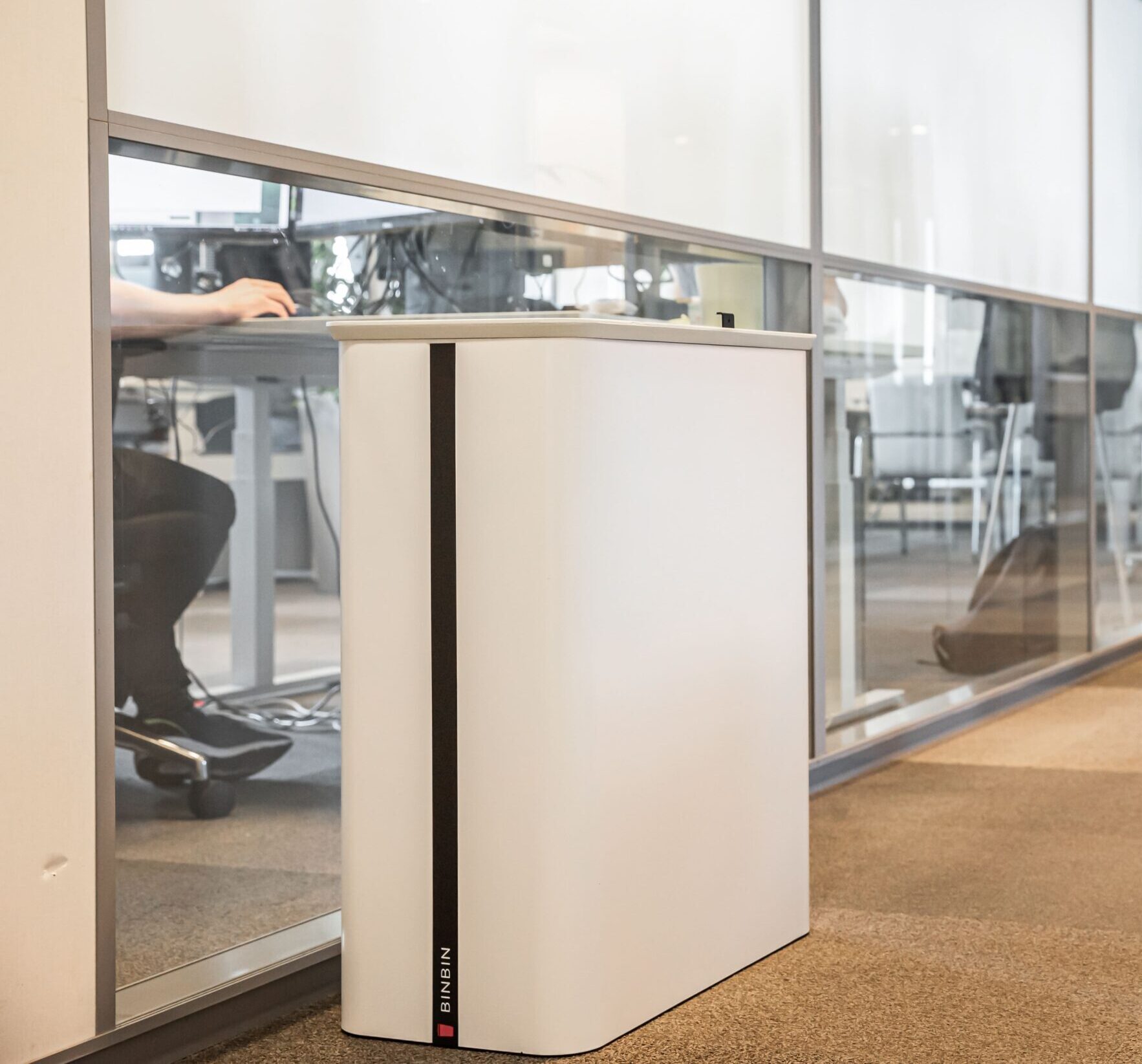
    We help offices separate waste efficiently to save costs, meet legal requirements, and strengthen their sustainability profile. Our modular, customizable bins make recycling clear and engaging for employees while fitting into any workspace. With the right setup, businesses can reduce waste, improve their green image, and work toward a circular future
  • Education

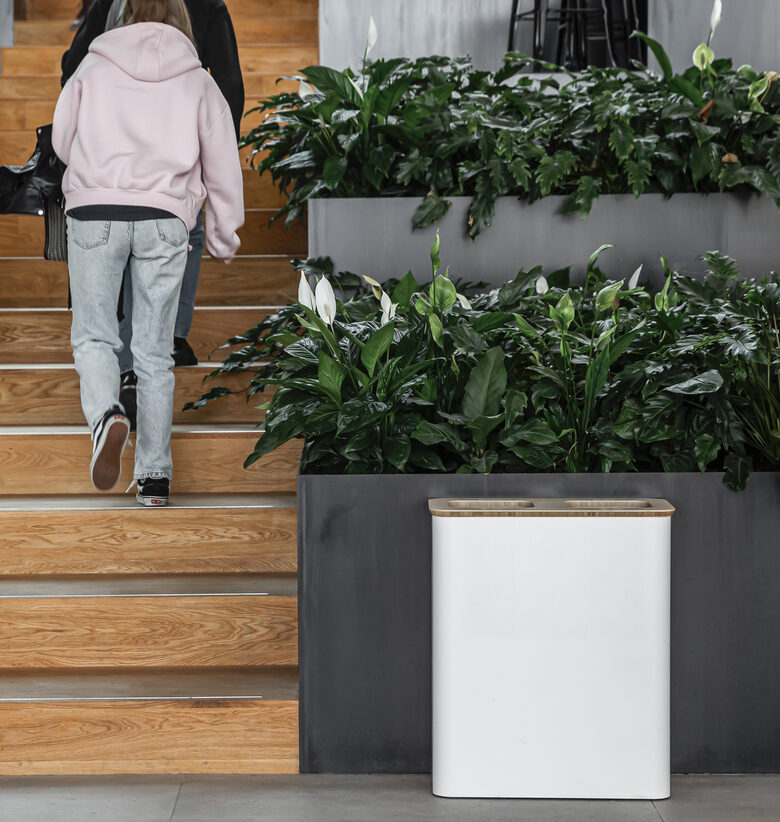
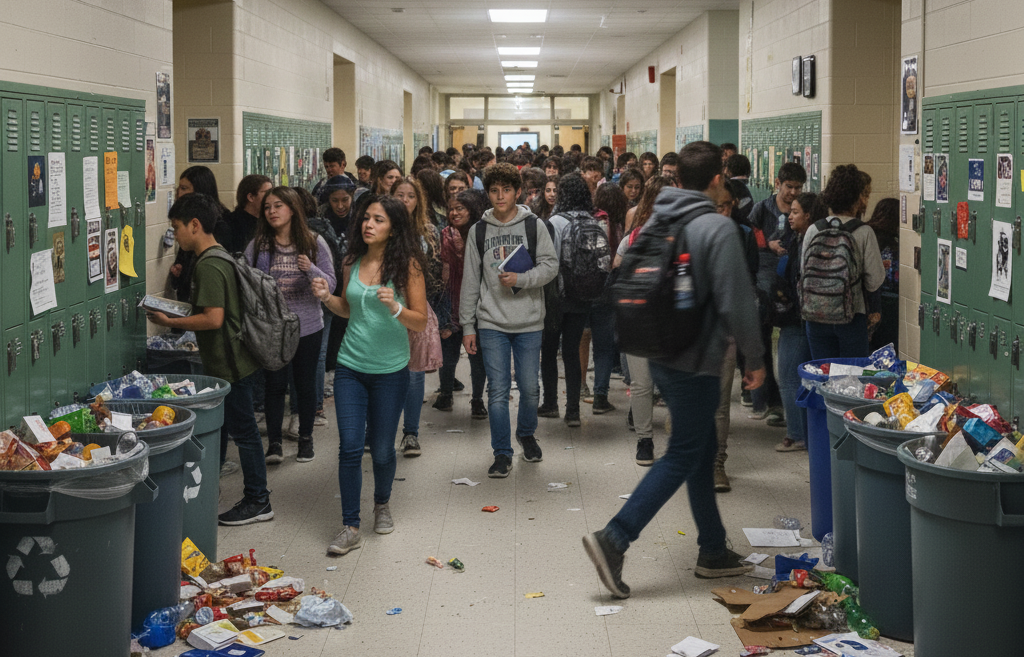
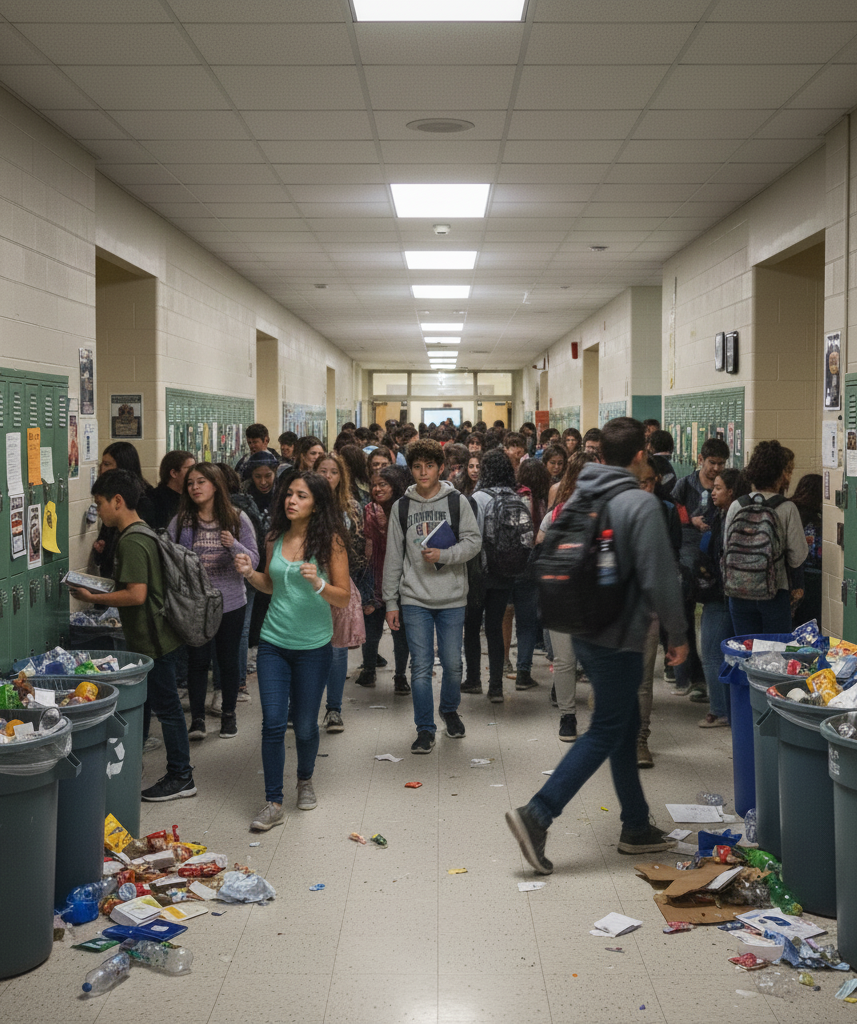
    At BINBIN, we help schools and universities make waste separation simple and engaging for students and staff. Our durable, modular bins with clear signings and customizable designs encourage correct recycling in classrooms, cafeterias and hallways. By combining the right products with strategic placement and awareness initiatives, we support education facilities in building long-term sustainable habits.
Popular products
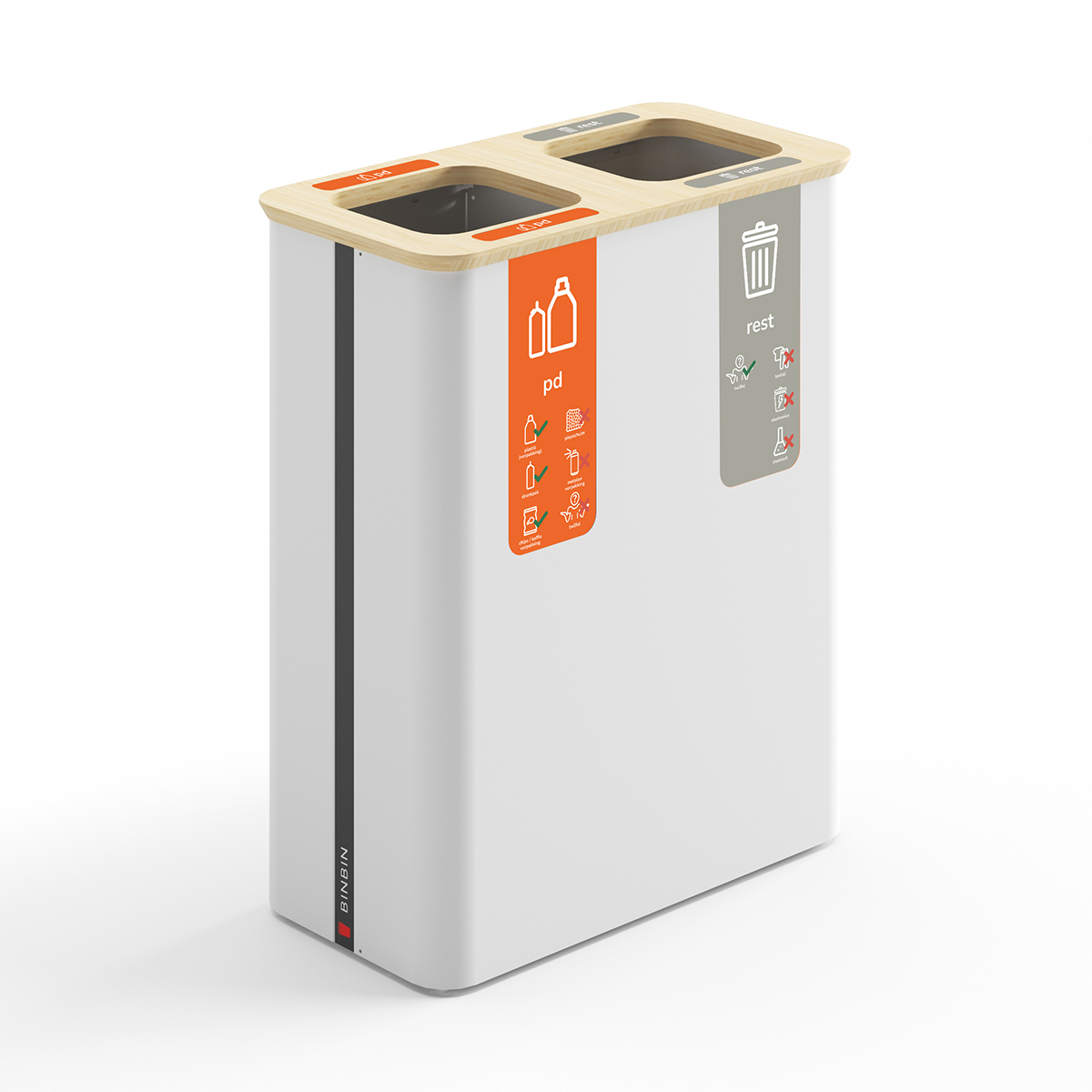
  • Globular 60×2

    Split from 2 to 3 or 4 compartments
  • Generation Outdoor (2x90L)

    Split from 2 to 3 or 4 compartments

Sort it out! - Tips

The 5 most important tips for separating business waste

Five tips on separating business waste

Tip 1 till 3

Tip 1: Prevent unnecessary waste in general waste bins

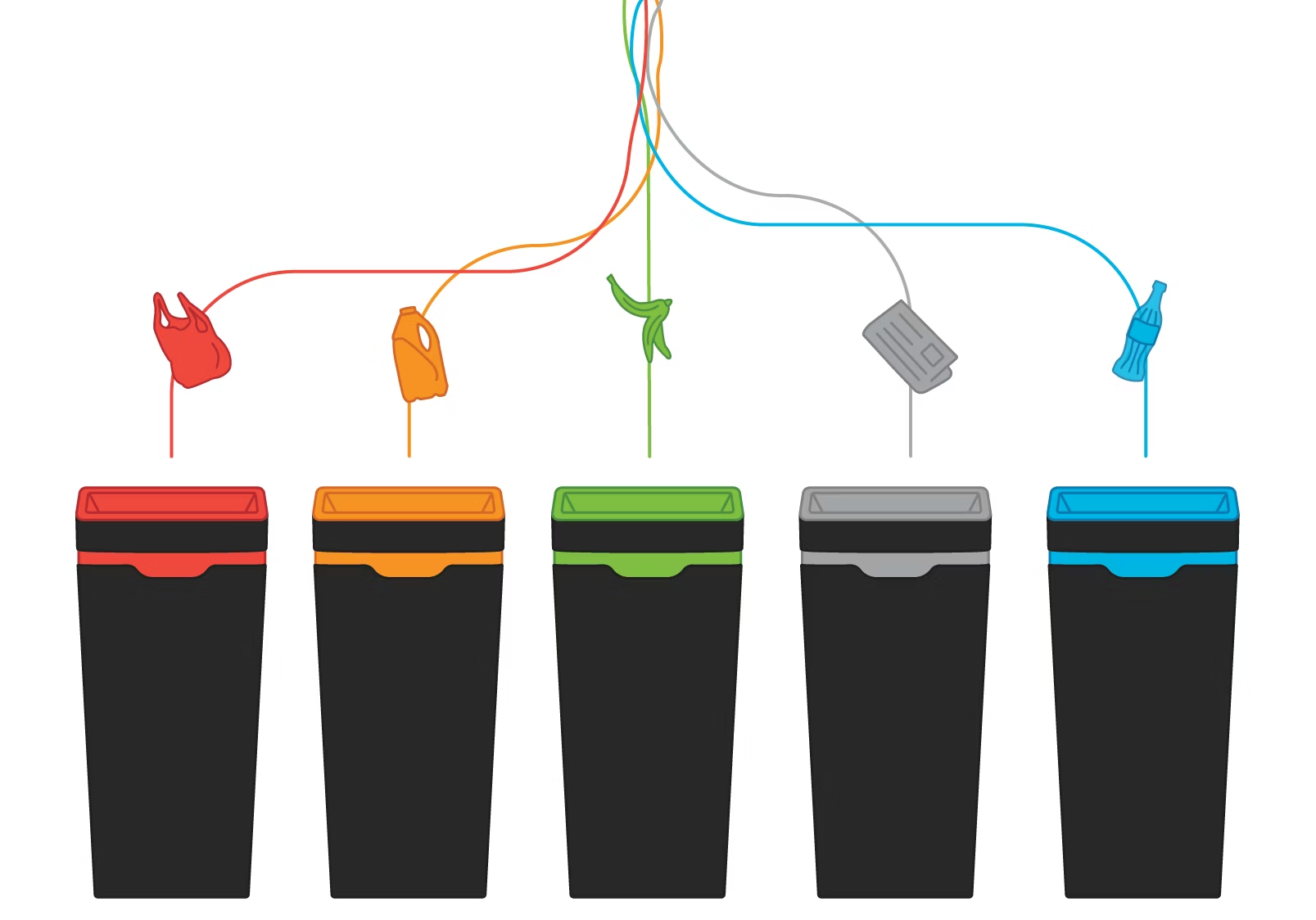
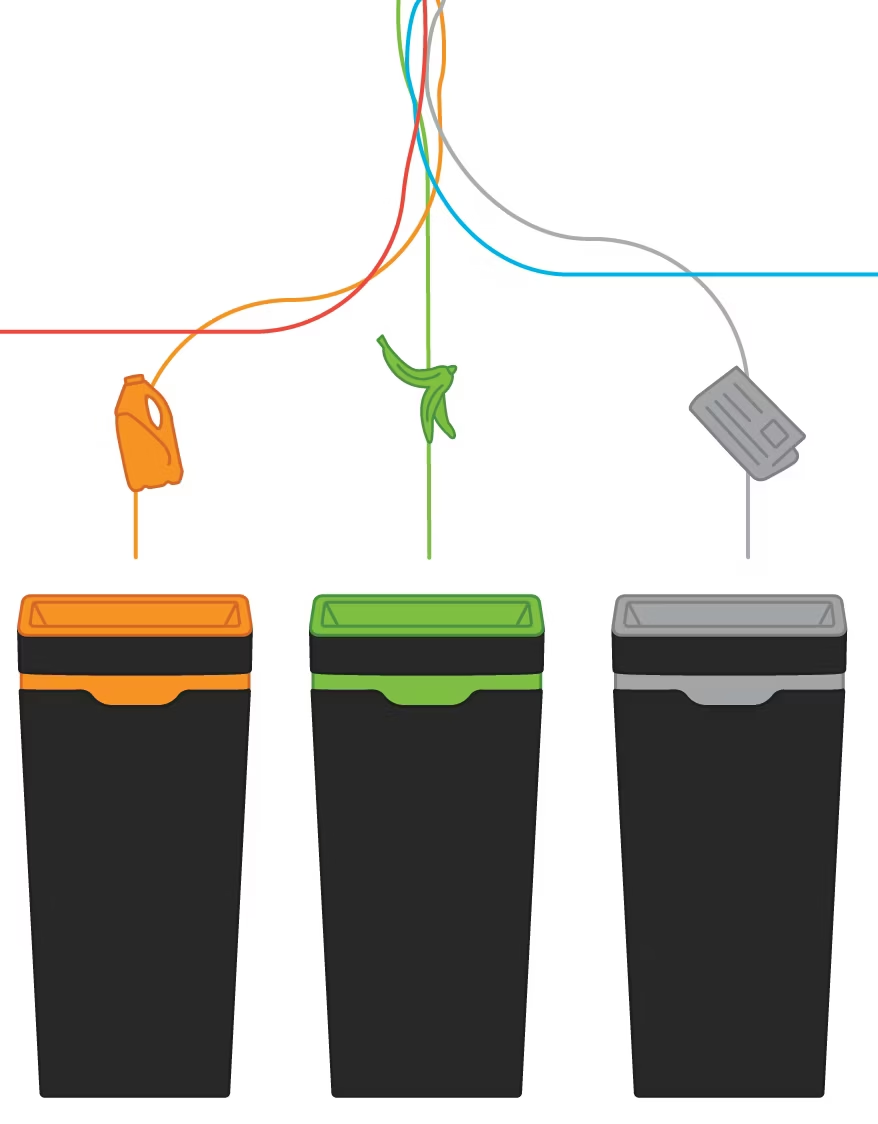
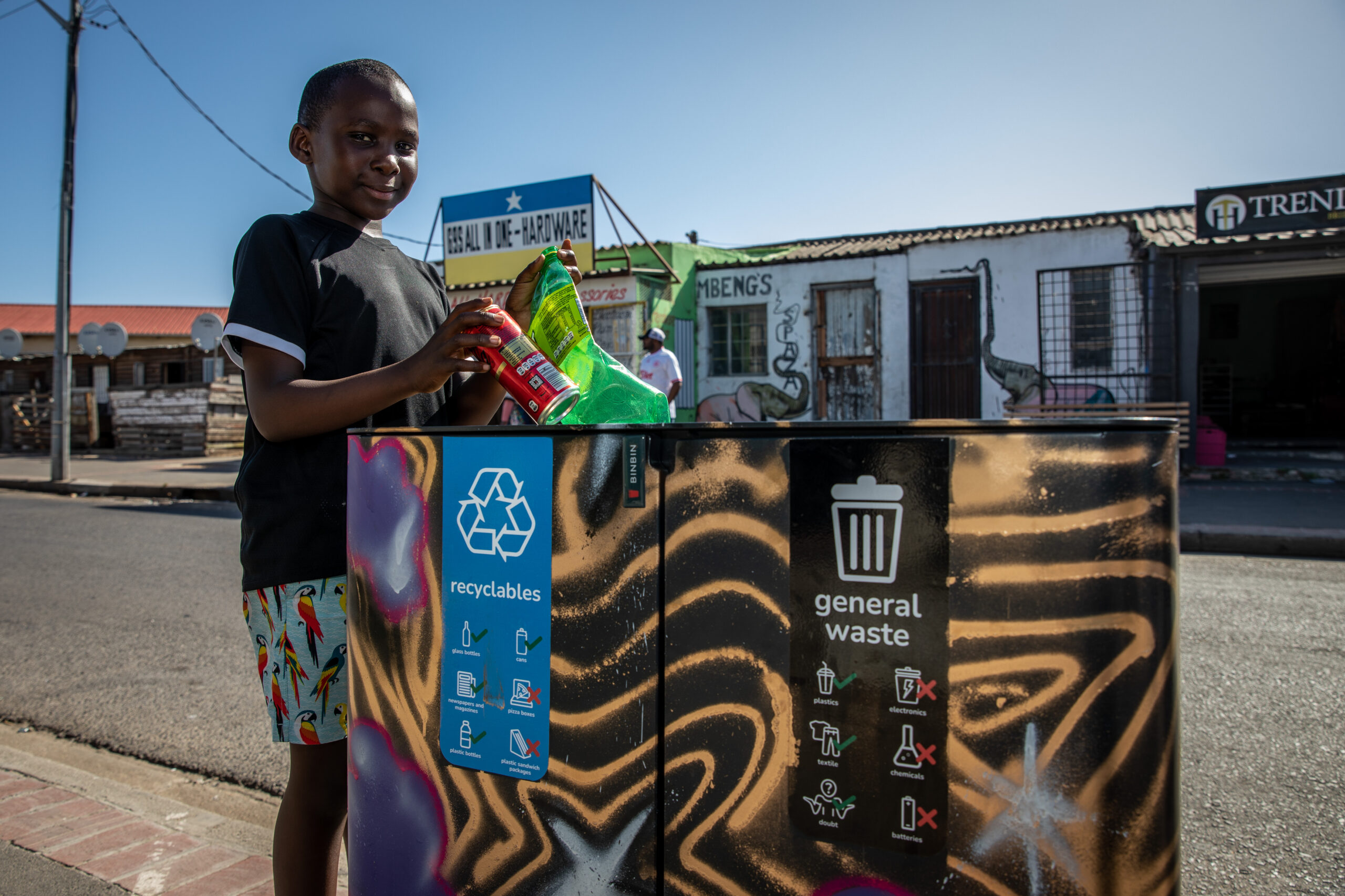
Many people aren’t sure which bin to use for their waste, leading to unnecessary items ending up in general waste. As a result, valuable recyclable materials are lost. To address this, you can provide colored containers or place signs and stickers with clear guidelines. This makes it easier for employees to correctly separate business waste.


Tip 2: Don’t throw food waste in general waste

In many companies, organic waste isn’t separated. As a result, food scraps end up in general waste and are incinerated. That’s a shame because compost and biogas from organic waste are far more sustainable. If you have a large office, it’s worth collecting food waste separately.


Tip 3: Prevent Contamination of Waste Streams

For optimal recycling, waste streams must remain clean. Pizza and cake boxes should not go in the paper bin because they contain greasy food residues, which contaminate the rest of the waste stream, making recycling impossible. The same applies to plastic in organic waste bins and liquids in the paper bin.


the essential tips

Green business practices are an absolute must for modern organizations. That’s why companies are taking a critical look at their waste management. While a zero-waste work environment may not be achievable for everyone, proper waste separation and recycling certainly are. Keep these five essential tips in mind when separating your waste.

Five tips on separating business waste

Tips 4 & 5

Tip 4: Don’t Throw Coffee Cups in Paper or General Waste

Around three billion coffee cups are discarded each year, but these cardboard cups shouldn’t go in the paper bin. The inside is lined with plastic. However, a special waste bin for coffee cups is worth it: both the cardboard and polyethylene can be processed into new materials.

 

Tip 5: Ensure PMD is Separated

While PMD (plastic, metal, and drink packaging) is well separated in households, it’s often neglected in businesses. Yet, it’s worth implementing. Disposing of PMD is cheaper, reducing the cost of general waste disposal and promoting PMD recycling.

Bonus knowledge for you

Bonus: The most common mistake in waste separation

It’s important to separate waste correctly. When it’s done wrong, less can be recycled. Wastenet compiled a list of commonly misunderstood waste items.

  • 88% of people think broken drinking glasses belong in the glass bin. They should go in general waste.
  • 57% believe that (Senseo) coffee pads belong in the organic waste bin, but they should go in general waste because they contain plastic.
  • 54% think hard plastic items belong in plastic waste. These should go in general waste.
  • 34% believe coffee capsules should go in plastic waste, but they belong in general waste.
  • 34% think chip bags can go in plastic waste, but because of their aluminum lining, they should go in general waste.